Reflections from “Every Child Thrive Festival”
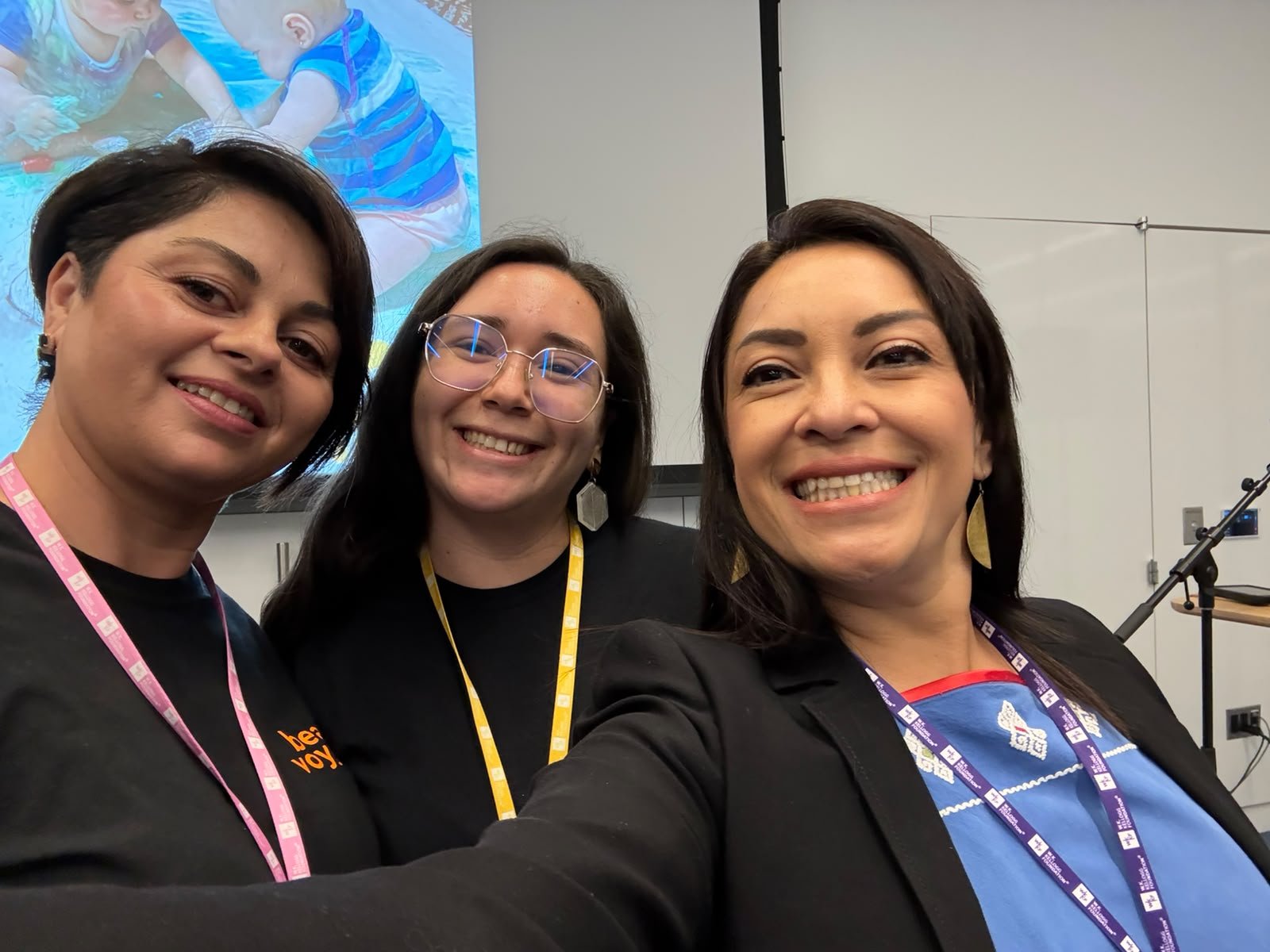
(L-R) Cindy, Majo and Itz at the Every Child Thrive Festival in Chiago
En junio, Majo e Itz, junto con Cindy (productora egresada de Costa Rica), participaron en el Every Child Thrive Festival, organizado por la W.K. Kellogg Foundation en el recién inaugurado Obama Center en Chicago.
Lideraron un taller participativo de narración de historias que combinó la proyección de películas participativas con una actividad de escritura de poemas, diseñada para construir comunidad a través de historias compartidas.
A continuación, pueden leer los diarios reflexivos personales de ambas.
—
Notas de Itz:
La semana pasada tuve la oportunidad de asistir al Every Child Thrives Festival en Chicago junto con mi colega Majo y la productora Cindy de Costa Rica. Fueron días llenos de colores, sonrisas, conversaciones profundas y personas que, desde distintos rincones del mundo, comparten un mismo propósito: construir un mejor presente y futuro para la niñez y la juventud.
Como parte de Bean Voyage, facilitamos un taller sobre storytelling y comunicación comunitaria. Nos acompañaron alrededor de 30 personas, todas líderes de organizaciones y proyectos que trabajan todos los días con niñas, niños y jóvenes.
Más que un taller sobre cómo contar historias, fue una conversación sobre por qué las historias importan. Hablamos de cómo nuestras experiencias personales y las de nuestras comunidades pueden convertirse en puentes para conectar, generar confianza, inspirar y movilizar a otras personas. Salí con la sensación de que todas y todos aprendimos algo.
Y, como suele pasar en los mejores encuentros, muchas de las lecciones llegaron fuera del salón.
Escuché frases que me gustaría no olvidar:
"Hay mucho trabajo por hacer."
"Construimos mejor cuando empezamos desde la confianza."
"Liderar desde el amor también transforma."
"Nunca sabes la batalla que la otra persona está librando."
"La amabilidad y la generosidad son una forma de liderazgo."
"Podemos resolver problemas grandes cuando dejamos de intentar hacerlo solos."
"La rendición de cuentas es una forma de demostrar respeto y construir confianza."
Regreso con la cabeza llena de ideas, pero sobre todo con el corazón lleno.
A veces pensamos que el cambio empieza con grandes proyectos o grandes presupuestos. Este festival me recordó que muchas veces empieza con algo mucho más sencillo: una conversación honesta, una historia compartida, la disposición de escuchar y la decisión de cuidar a quienes tenemos enfrente.
Al final, eso hacen las historias. Nos recuerdan que, aunque nuestros contextos sean distintos, hay emociones, sueños y desafíos que compartimos. Y cuando nos atrevemos a contarlos y a escuchar los de los demás, descubrimos que tenemos mucho más en común de lo que imaginábamos.
Gracias a todas las personas que hicieron posible este espacio. Me llevo inspiración, nuevas amistades y la certeza de que todavía hay muchísimas personas trabajando, todos los días, para construir un mundo más humano y mas justo. 🤎
Itz
—
Notas de Majo:
En la Fundación Kellogg tienen un dicho que es : “It 's not about me. It's not about you. It 's all about the children” y para mi fue la frase que caracterizó el Every Child Thrives Festival en Chicago.
Desde BV facilitamos un taller sobre el storytelling como herramienta para construir comunidad. Para esto presentamos dos de las miles de historias de productoras que hemos tenido el privilegio de escuchar durante estos años — la historia de Ericka en Tarrazú, Costa Rica y la historia de Lucía en Chiapas,México — y les pedimos a las participantes que hicieran su propio poema de Yo soy, basado en el poema de Where I'm From de George Ella Lyon.
Admito que no importa cuántas veces vea o escuche las historias de estas mujeres, mi corazón se conmueve e inspira por lo resilientes que son. Me recuerda que somos más que una etiqueta, y la importancia de ser nosotras mismas quienes contemos nuestra historia — que tengamos el poder de decidir qué contar, en qué condiciones y a quiénes.
En este festival había muchísima diversidad de países, trabajos e idiomas, pero lo que nos permitió el taller fue acercarnos a la esencia. Al taller entraron más de 30 personas siendo extraños entre sí, incluso sin hablar el mismo idioma, pero conforme pasaron los minutos dejamos de serlo y nos reconocimos los unos en los otros — en nuestros miedos y en nuestros sueños. Todas las personas que estábamos en ese festival compartimos el deseo de construir un mejor futuro para las generaciones que vienen, y sabemos que estamos en un contexto que muchas veces se siente sin esperanza. Pero en este taller tuvimos un momento para pausar y recordar que para ir hacia adelante, también es importante saber de dónde venimos. Un video, una hoja y un lápiz son solo materiales — la magia, la comunidad, se crea cuando somos capaces de vernos y escucharnos en nuestras múltiples capas, y de hacerlo con quienes nos rodean.
En BV trabajamos con pequeñas productoras de café, pero también son mujeres, hijas, jóvenes, trabajadoras. Son muchísimas cosas más, pero al final todas son humanas — humanas que quieren cambiar las condiciones de vida que ellas tuvieron para que quienes siguen puedan conocer un mejor futuro. Sin importar la población con la que trabajemos, quienes nos movemos por las comunidades compartimos eso: nos movemos por la convicción de que es en colectivo donde podremos alcanzar cambios, es en comunidad donde podemos construir un bienestar real, donde sanamos las heridas y logramos los sueños que algún día alguien nos dijo que eran imposibles.
Durante el taller reflexionamos muchas cosas, entre ellas el poder de las etiquetas y de las expectativas, y cómo a veces nos perdemos en ellas. Una de las participantes compartió que de adultos nos define en qué trabajamos — un título — y lo doloroso que es que nuestra identidad se limite a eso, lo peligroso que es llegar a creerlo y lo difícil que es salirnos de esa etiqueta. Otra habló de que para contar nuestra historia tenemos que atrevernos a ser vulnerables — algo que no se nos enseña de pequeños — y que también significa confiar en que la otra persona nos va a escuchar con empatía, que no nos va a hacer daño ni va a aprovechar que estamos abriéndonos. Y reflexionamos sobre la responsabilidad que tenemos como adultos abriendo camino, porque los niños y jóvenes aprenden con el ejemplo: no podemos pedirles que se abran si no nos ven a nosotros mismos hacerlo, o si cuando lo hacen no los escuchamos de verdad o restamos valor a su historia.
Entraron no muy seguros de qué iban a aprender, pero salieron con el deseo de reconectarse consigo mismos y con las personas a su alrededor — con ganas de sentarse a reflexionar sobre las capas que los hacen ser quienes son, pero también de aprender las capas de otras personas. Algunos dijeron que querían conocer quiénes eran sus padres antes de ser sus padres, escuchar a sus ancestros, enseñarles a sus hijos a honrar sus orígenes.
Qué privilegio y qué responsabilidad es facilitar estos espacios de conexión — tan necesarios en una época donde la narrativa dominante nos dice que debemos velar por nuestro bienestar individual. Sin importar en qué parte del mundo estemos, creo fervientemente que los humanos estamos programados para la conexión, y que sin comunidad no podemos prosperar.
Por eso el trabajo de organizaciones como la Fundación Kellogg es tan necesario: porque apuestan por los espacios donde esa conexión es posible, donde las personas dejan de ser extraños y empiezan a reconocerse, en especial quitan el foco adultocentrista y lo mueven para dar más espacio a los liderazgos de las nuevas generaciones.
Majo
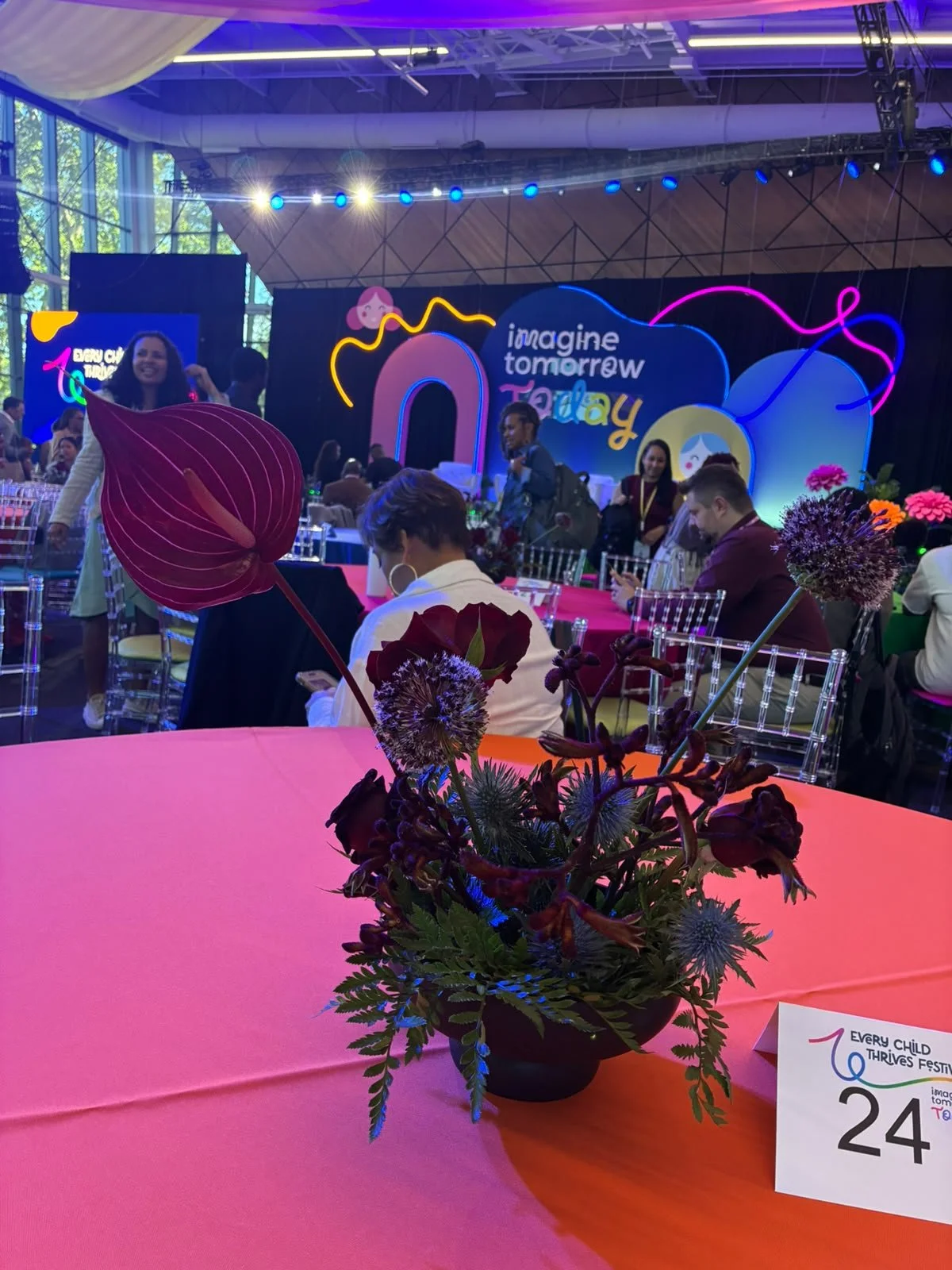
In June, Majo and Itz along with Cindy (Producer alum from Costa Rica) participated in the Every Child Thrive Festival, hosted by the W.K. Kellogg Foundation at the newly inaugurated Obama Center in Chicago.
They led a participatory storytelling workshop bringing together screened participatory films and a poem-writing activity, designed to build community through shared stories.
Below, you can read personal reflective journals from the two of them.
—
Notes from Itz:
Last week I had the opportunity to attend the Every Child Thrives Festival in Chicago alongside my colleague Majo and producer Cindy from Costa Rica. They were days full of color, smiles, deep conversations, and people who, from different corners of the world, share the same purpose: building a better present and future for children and young people.
As part of Bean Voyage, we facilitated a workshop on storytelling and community communication. Around 30 people joined us, all leaders of organizations and projects that work every day with children and youth.
More than a workshop on how to tell stories, it was a conversation about why stories matter. We talked about how our personal experiences, and those of our communities, can become bridges — to connect, build trust, inspire, and mobilize others. I left with the feeling that all of us learned something.
And, as often happens at the best gatherings, many of the lessons came from outside the workshop room.
I heard phrases I'd like to hold onto:
"There is a lot of work to do."
"We build better when we start from trust."
"Leading from love also transforms."
"You never know the battle the other person is fighting."
"Kindness and generosity are a form of leadership."
"We can solve big problems when we stop trying to do it alone."
"Accountability is a way of showing respect and building trust."
I'm returning with my head full of ideas, but above all with my heart full.
Sometimes we think change begins with big projects or big budgets. This festival reminded me that it often begins with something much simpler: an honest conversation, a shared story, the willingness to listen, and the decision to care for those in front of us.
In the end, that's what stories do. They remind us that, even when our contexts are different, there are emotions, dreams, and challenges we share. And when we dare to tell them, and to listen to others', we discover we have much more in common than we imagined.
Thank you to everyone who made this space possible. I'm leaving with inspiration, new friendships, and the certainty that there are still so many people working, every day, to build a more human and more just world. 🤎
Itz
—-
Notes from Majo:
At the Kellogg Foundation they have a saying: "It's not about me. It's not about you. It's all about the children" — and for me, that was the phrase that captured the essence of the Every Child Thrives Festival in Chicago.
From BV, we facilitated a workshop on storytelling as a tool for building community. For this, we presented two of the thousands of stories from producers we've had the privilege of hearing over the years — the story of Ericka in Tarrazú, Costa Rica, and the story of Lucía in Chiapas, Mexico — and we asked participants to write their own "I Am" poem, based on the poem "Where I'm From" by George Ella Lyon.
I admit that no matter how many times I see or hear these women's stories, my heart is moved and inspired by how resilient they are. It reminds me that we are more than a label, and of the importance of being the ones who tell our own story — of having the power to decide what to share, under what conditions, and with whom.
At this festival there was enormous diversity in countries, professions, and languages, but what the workshop allowed us to do was get closer to the essence. More than 30 people entered the workshop as strangers to one another, some not even sharing a common language, but as the minutes passed we stopped being strangers and recognized ourselves in one another — in our fears and in our dreams. Everyone at that festival shared the desire to build a better future for the generations to come, and we know we're working in a context that often feels hopeless. But in this workshop we had a moment to pause and remember that, in order to move forward, it's also important to know where we come from. A video, a sheet of paper, and a pencil are just materials — the magic, the community, is created when we're able to see and hear one another in our many layers, and to do so with those around us.
At BV we work with smallholder coffee producers, but they are also women, daughters, young people, workers. They are many more things besides, but in the end they're all human — humans who want to change the living conditions they themselves experienced, so that those who come after them can know a better future. No matter which population we work with, those of us who are moved to work within communities share that: we are driven by the conviction that it is collectively that we can achieve change, that it is in community where we can build real wellbeing, where we heal wounds and reach the dreams that someone once told us were impossible.
During the workshop we reflected on many things, among them the power of labels and expectations, and how we sometimes lose ourselves in them. One participant shared that as adults we're defined by what we do for work — a title — and how painful it is when our identity becomes limited to that, how dangerous it is to start believing it, and how hard it is to break free of that label. Another spoke about how telling our story requires daring to be vulnerable — something we're not taught to do as children — and that it also means trusting that the other person will listen to us with empathy, that they won't hurt us or take advantage of us while we're opening up. And we reflected on the responsibility we have as adults paving the way, because children and young people learn by example: we can't ask them to open up if they don't see us doing it ourselves, or if, when they do, we don't truly listen to them or we diminish the value of their story.
They came in unsure of what they'd learn, but left with the desire to reconnect with themselves and with the people around them — wanting to sit down and reflect on the layers that make them who they are, but also to learn the layers of others. Some said they wanted to know who their parents were before they became parents, to listen to their ancestors, to teach their children to honor their origins.
What a privilege and a responsibility it is to facilitate these spaces of connection — so necessary in a time when the dominant narrative tells us we should look out for our own individual well-being. No matter where in the world we are, I firmly believe that humans are wired for connection, and that without community, we cannot thrive.
That's why the work of organizations like the Kellogg Foundation is so necessary: because they invest in spaces where that connection becomes possible, where people stop being strangers and begin to recognize one another — and, in particular, they shift the focus away from adult-centered narratives to make more room for the leadership of new generations.
Majo